ARCHIVE REGISTRATION // DISPATCH 003
Echoes of the Past: Why We Build the Altar
DÍA DE LOS MUERTOS // OFRENDA EDITION
There is a distinct weight to things made by hand—a weight that carries memory, intention, and a quiet sort of reverence. In the workshop, when shaping felt over a vintage wooden block, I often think about the lineage of the craft. Millinery isn't just about constructing a hat; it's about preserving a silhouette of the past and bringing it forward into the present.
That pursuit of heritage and enduring memory is why I'm looking ahead to later this year. When I head down to Mexico this October, I'll be experiencing Día de los Muertos at its source—seeking inspiration from the people, the culture, and the sacred rituals of ancestor veneration that live at the very heart of everything we do at Missive.
The Turning Point
A while back, I was invited to a friends' and family home, and for the first time, I experienced Día de los Muertos in a deeply spiritual, uncommercialized way.
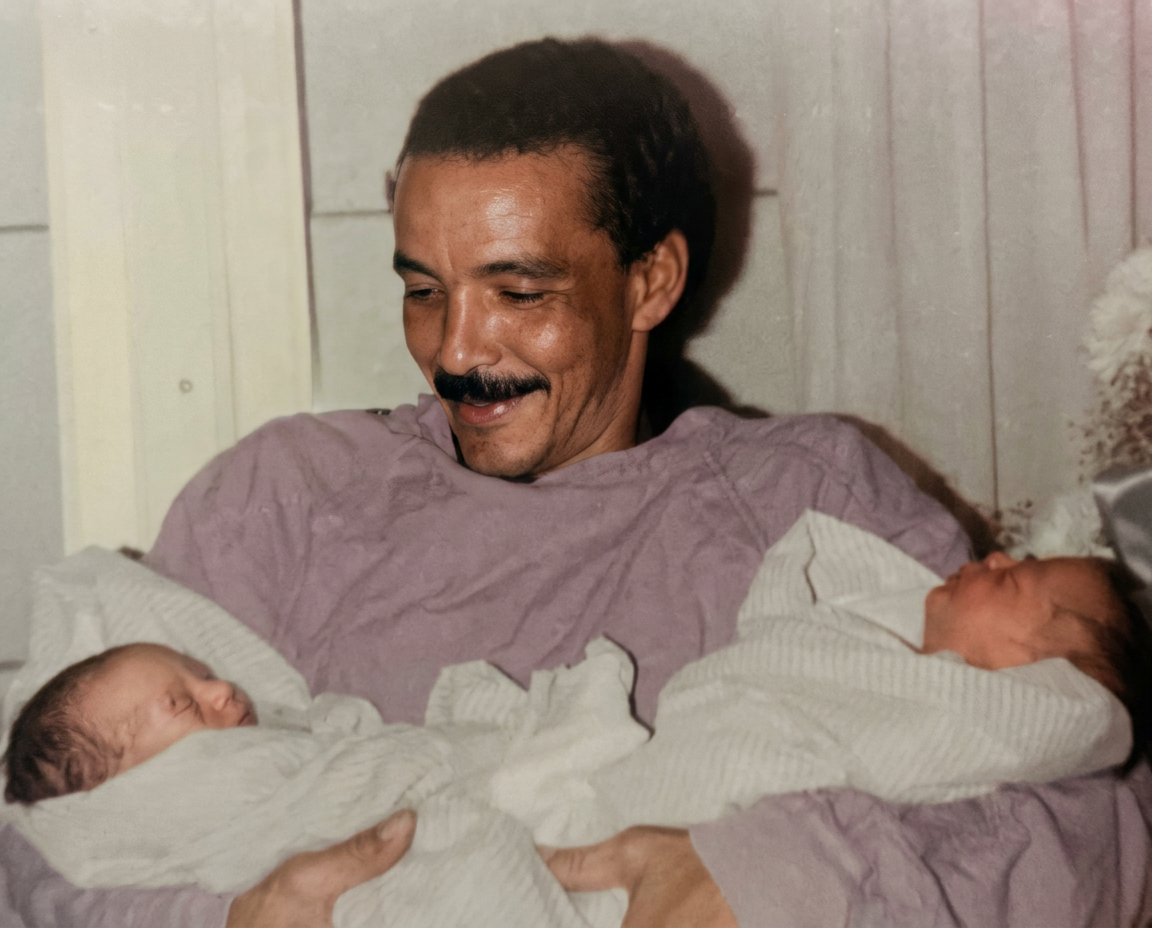
It was a home overflowing with love, centered around an ofrenda built not just for the immediate family, but for friends and guests alike. Standing before that altar, watching people bring a piece of the past—a token, a memory, a story—so that our ancestors could be actively remembered, acknowledged, and brought back to life for a night, hit home in a profound way.
That concept—that those who came before us are not gone, but merely waiting to be welcomed back to the table—speaks directly to the philosophy of Missive.
The Roots of the Ritual
Long before it became a global symbol of vibrant culture, Día de los Muertos was rooted in the ancient Mesoamerican traditions of the Aztec, Nahua, and other indigenous peoples, who viewed death not as a final end, but as a continuation of life's journey.
When Spanish colonization introduced All Saints' and All Souls' Days in the early November calendar, these ancient indigenous rituals of honoring the dead merged with Catholic observances. What emerged is the modern celebration we recognize today: a profound synthesis of indigenous reverence and Catholic faith.
At its core, the ritual rejects the western fear of mortality. Instead, it builds a bridge. The ofrenda (altar) is carefully constructed with specific elements:
- Water — to quench the traveling souls' thirst after their long journey.
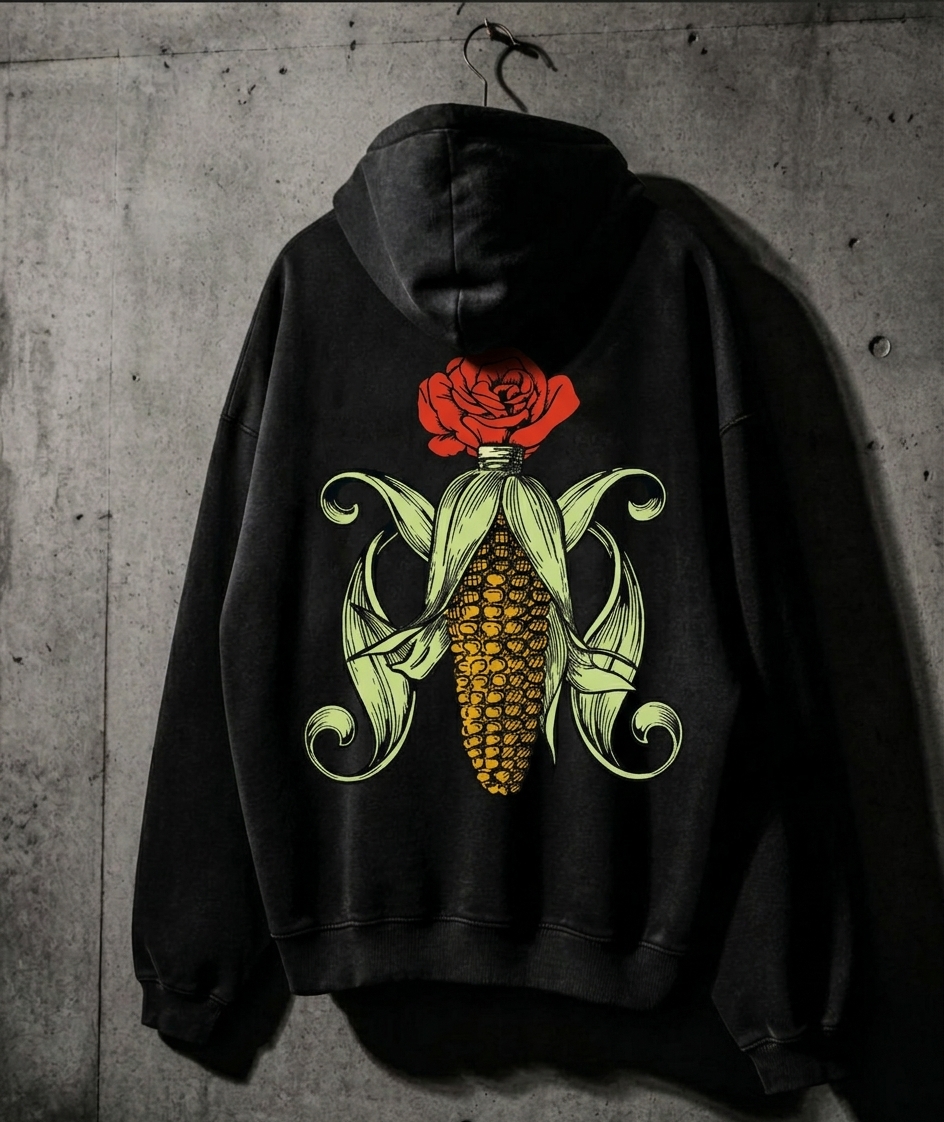
- Cempasúchil (marigolds) — whose pungent scent and bright orange petals act as a guiding beacon for spirits finding their way home.
- Pan de Muerto and favorite foods — to nourish them.
- Photographs and personal items — to anchor their identity in the room.
It is an act of defiant remembrance. In a culture that often rushes past grief and tries to outrun time, Día de los Muertos stops the clock and insists that our lineage matters.
Bringing It Back to the Work
As creators and makers, we pour pieces of ourselves into our work, hoping something of us remains after we're gone. That is the exact thread connecting this upcoming trip to the bench at Missive Archive.
Every hat, every heavy-stiff felt, and every stitched detail carries a piece of history—a nod to traditional techniques passed down through generations of artisans. When we honor our ancestors through ritual, and when we honor our craft through disciplined creation, we are doing the exact same thing: making sure the past is never forgotten, but lived in every single day.
Stay tuned as we document the journey down south this October.
— L.C.R. / Missive Archive
A Quick Note: How does your own craft or daily creative practice connect you to the people who came before you? Hit reply and let me know—I read every message.